Continuous Discovery in Product Development: Building Better Products Before Writing Code
“The cheapest mistake is the one discovered before development starts.”
Every tech company wants to build successful software, but the path to production is paved with good intentions that fail to connect with actual users. Organizations spend quarters refining requirements, building beautiful interfaces, and writing pristine code, only to launch a feature that nobody uses. When a product fails to achieve traction, teams often assume the issue lies within execution speed or marketing alignment. However, the root problem typically occurs much earlier: the team spent months building a highly polished solution to a problem that customers simply do not care about.
The traditional approach to software development treats research as a separate phase that happens only at the very beginning of a project. Once the initial project brief is approved, the team locks the roadmap and shifts entirely into delivery mode. In contrast, modern technology leaders realize that market realities and user behaviors shift constantly. To navigate this uncertainty, high-performing organizations adopt Continuous Discovery as a core operating model. Rather than treating customer research as a one-time gate, they build an ongoing system of validation that runs alongside active development, ensuring that engineering hours are spent only on validated, high-impact business opportunities.
1. What Is Continuous Discovery and Why Does It Matter?
To successfully modernize a software organization, leaders must define what Continuous Discovery actually means in a daily operational context. Popularized by product experts like Teresa Torres in her foundational work on Continuous Discovery Habits, this methodology describes a weekly rhythm where a cross-functional team engages in small, incremental research activities designed to guide the next week’s development decisions. It shifts the corporate mindset from large-scale, disruptive research projects to a steady, sustainable stream of user insights.
This continuous model marks a sharp departure from traditional customer discovery frameworks. Historically, companies would hire external agencies to run extensive market studies every few years, or product managers would conduct a flurry of customer interviews during an intensive discovery workshop right before planning the annual roadmap. While these activities provide high-level directional signals, their value degrades rapidly once active development begins. A one-time research phase cannot adapt to the daily architectural choices, scope reductions, and technical challenges that emerge during active engineering workflows.
When an organization embraces continuous product discovery, they treat every feature idea as a hypothesis rather than an absolute truth. This shift protects the enterprise from the confirmation bias that often infects internal planning sessions. By maintaining a real-time product feedback loop directly with users, product squads can continuously adjust their execution plans, improving delivery predictability and ensuring the software moves steadily toward verified market needs.
What Is Continuous Discovery and Why Does It Matter?
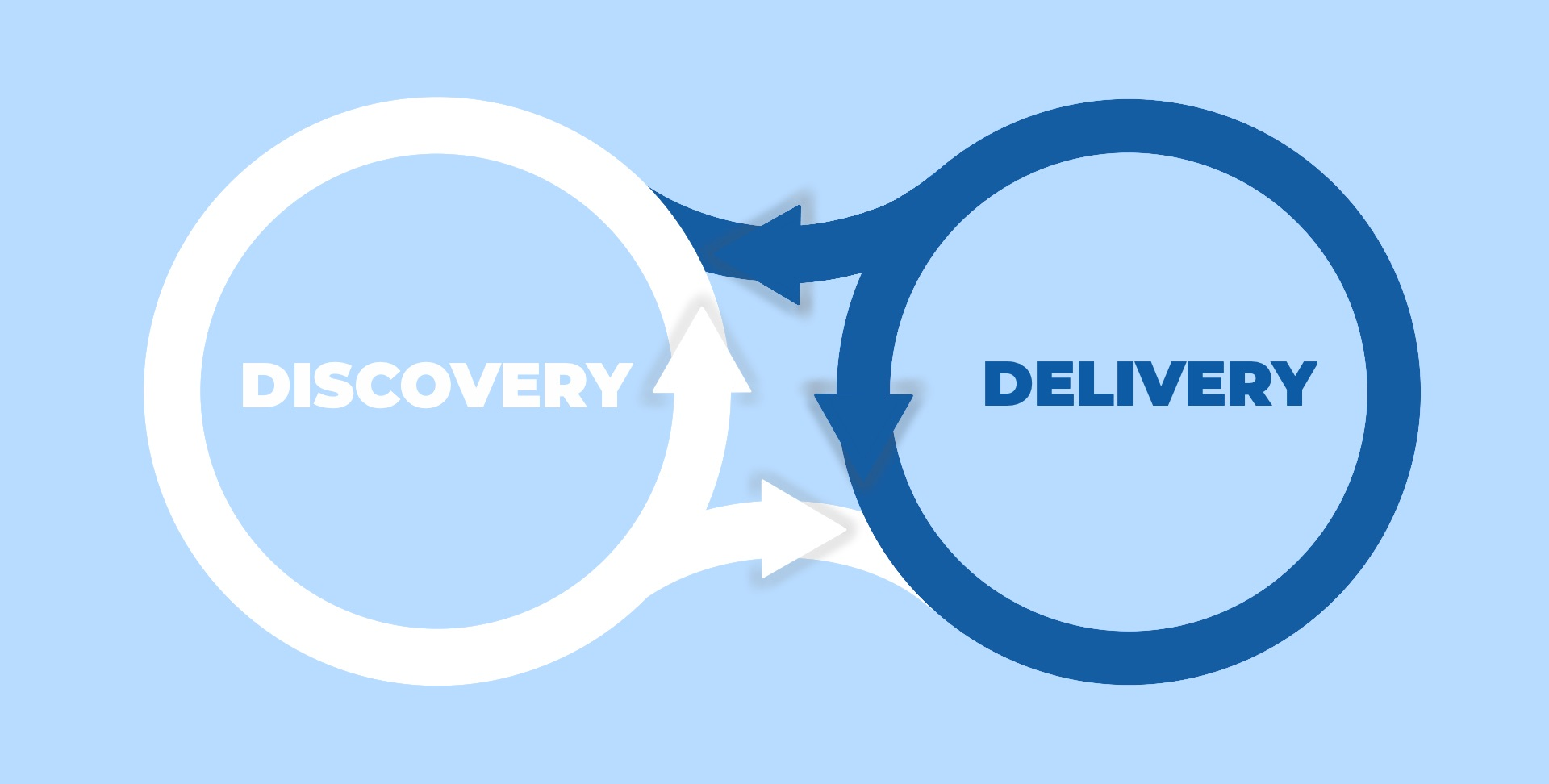
Unlike traditional, upfront user research, Continuous Discovery introduces a weekly cadence of small-batch customer validation that runs parallel to delivery. This approach helps teams systematically de-risk features and adapt software requirements in real time as technical or market conditions evolve.
2. Why Traditional Product Development Misses Customer Needs
The primary reason software products fail in the market is not a lack of engineering talent or slow deployment pipelines; it is the rigid nature of traditional, project-centric development methodologies. When an enterprise structures its engineering workflows around fixed deadlines, rigid milestones, and predefined requirement blocks, it prioritizes output over outcomes.
This project-driven framework introduces major delivery risks:
- The Assumption-Driven Roadmap: Features are placed on a calendar months in advance based on executive intuition rather than validated data, creating an unverified product plan.
- The Early Requirement Freeze: Locking requirements early in the product development process prevents the squad from reacting to fresh insights uncovered during development.
- Delayed Feedback Loops: When customer validation occurs only after a major public launch, the team discovers alignment issues long after the budget has been fully spent.
As product leader Marty Cagan notes in his insights on SVPG (Silicon Valley Product Group), most product ideas fail because they either lack real business viability or fail to solve a painful enough user problem. When an organization leaves customer validation until the end of the software lifecycle, they convert their production environment into a very expensive testing ground. To safeguard resources, teams must shift from an output-oriented mindset toward an approach rooted in evidence-based product management.
3. Continuous Discovery Changes How Product Teams Make Decisions
Transitioning to an ongoing research model fundamentally transforms the internal mechanics of corporate decision-making. Instead of relying on extensive, static product requirement documents, product teams utilize a structured product learning cycle that balances discovery and delivery tasks simultaneously.
This rolling workflow shifts teams away from high-stakes planning events toward an agile, hypothesis-driven loop:
This cycle transforms how software concepts evolve. Rather than pushing an untested idea straight into production, the squad breaks the concept down into small, measurable assumptions. They validate these assumptions immediately through quick user touchpoints and structured product experimentation, gathering the real-world evidence required to back the investment.
This adaptive approach creates a sustainable, dual-track cadence. The squad splits its focus daily, dedicating time to discovering the right things to build while simultaneously delivering validated code through modern CI/CD pipelines. By connecting customer insights directly to active development sprints, leadership ensures the product strategy shifts dynamically as the engineering team uncovers technical realities.
Continuous Discovery Changes How Product Teams Make Decisions
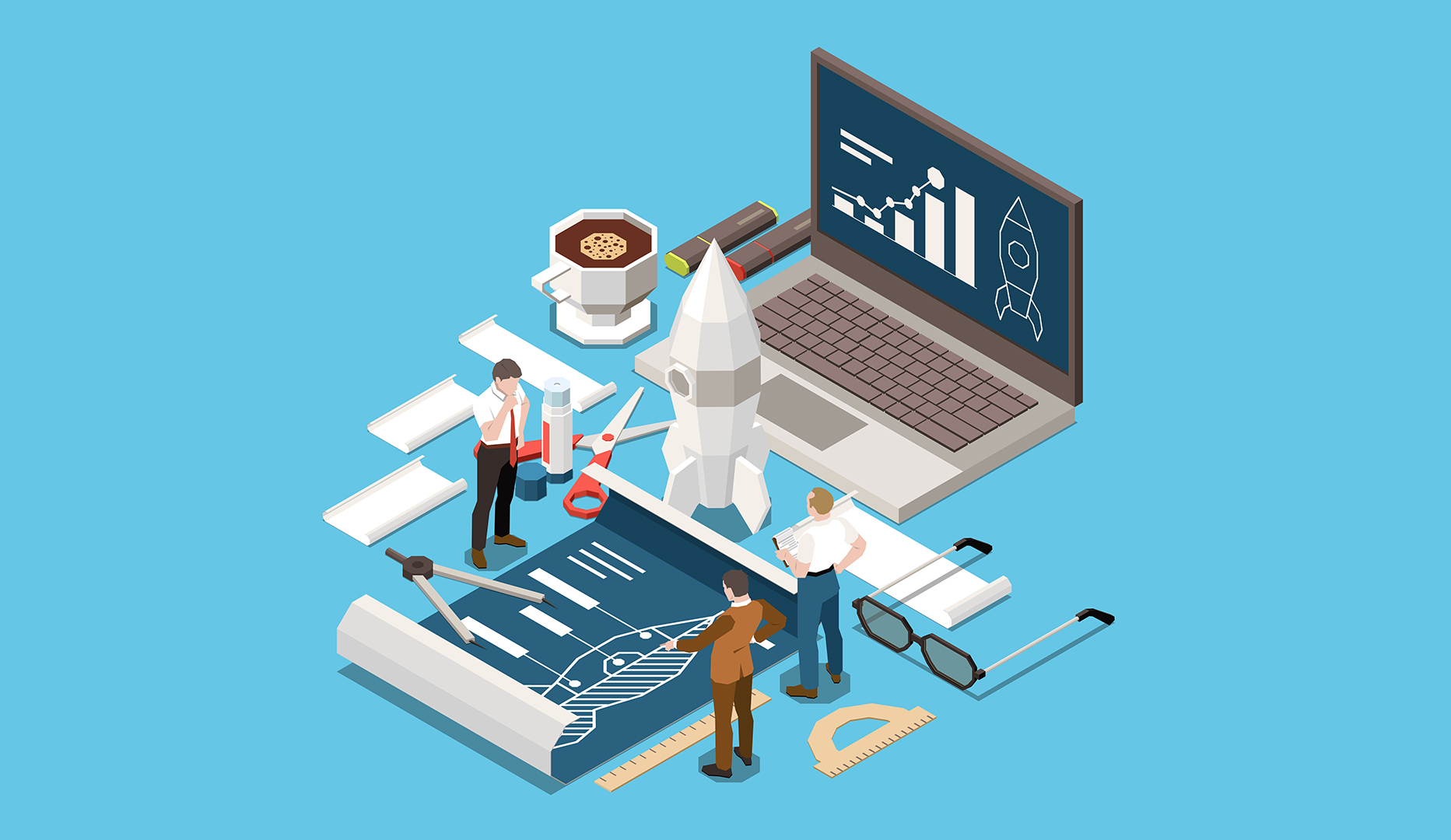
The Continuous Discovery loop changes decision-making by replacing static requirements with a dual-track framework. This model maps high-level ideas into testable hypotheses, validating them via rapid prototyping and continuous user research before active development begins.
4. Building Continuous Discovery Into Product Development
Integrating an ongoing research model into an established enterprise requires changing daily habits, updating cross-functional metrics, and shifting team mindsets. It is not about adding more meetings; it is about changing how your product squads evaluate information every single day.
Build Hypotheses Before Features
High-performing product teams stop asking, “What feature should we build next?” Instead, they ask, “What core assumptions must prove true for this feature to succeed?” Before writing user stories or drawing interfaces, the team maps out the explicit assumptions underlying their plan, focusing on value, usability, and technical feasibility. This structured approach helps teams prioritize early testing on the areas that carry the highest risk of failure.
Interview Customers Continuously
To build a highly accurate product feedback loop, product squads establish a regular schedule of small, informal user touchpoints. Rather than organizing massive, stressful focus groups every quarter, the team aims to speak with actual users on a weekly basis. These ongoing conversations focus on understanding real user behavior and friction points within their live environment, providing the team with a steady stream of fresh customer insights.
Use Experiments Instead of Assumptions
Rather than relying on internal debates or subjective opinions to settle feature questions, teams leverage fast, lightweight product validation techniques. They build simple clickable mockups, run small landing page tests, or use fake-door smoke tests to evaluate actual user demand before building out robust production code. This data-driven experimentation protects the team from spending expensive engineering cycles on unproven feature paths.
Measure Learning Instead of Output
True lean product development requires updating how you evaluate team performance. Leaders must stop tracking velocity charts or features shipped, and begin tracking the team’s learning velocity and their impact on core business outcomes. When you reward teams for validating and refining their ideas early, you build an adaptive environment where avoiding the development of a useless feature is celebrated as a major win.
5. Product Managers and Engineers Need Shared Customer Context
A common bottleneck in technology companies is the strict operational wall built between product management and engineering leadership. In many traditional organizations, the product manager acts as an exclusive gatekeeper, interacting with customers in isolation and passing down requirements to developers through text tickets. This siloed approach limits the team’s problem-solving potential.
Authentic continuous product discovery requires a shared, collaborative framework often called the “Product Trio.” This model unifies a product manager, a lead engineer, and a UX designer into a tightly aligned team that shares collective ownership over a specific business domain.
Excluding engineers from early customer conversations creates major project risks. Developers who lack a clear understanding of the user context are forced to make assumptions about how a feature should behave, which frequently leads to architectural misalignment and extensive recoding later.
Conversely, when technical leads participate directly in user research, they bring a deep understanding of systemic feasibility to the table. An engineer who truly understands the user’s underlying problem can often suggest elegant architectural shortcuts or identify innovative ways to use existing data structures, significantly accelerating your timeline without compromising software stability.
6. Common Mistakes When Teams Try Continuous Discovery
Common Mistakes When Teams Try Continuous Discovery
Common execution mistakes include interviewing only satisfied power users, treating research as a brief phase before locking roadmaps, and relying entirely on user statements instead of running objective behavioral experiments.
Transitioning to an ongoing validation model can lead to predictable missteps if teams adopt the terminology without changing their underlying operational behaviors. Recognizing these patterns early can help your squads stay on track.
Interviewing Only Existing Customers and Validating Positive Feedback
A frequent mistake is speaking exclusively with your most active, happy power users. While these conversations provide pleasant reinforcement, they rarely surface the core usability barriers or missing features that prevent new user adoption. Furthermore, teams often fall into the trap of using interviews as sales pitches, steering the conversation to validate their existing ideas rather than listening objectively to the user’s authentic daily struggles.
Treating Discovery as a Phase and Skipping Live Experiments
Many organizations fall into the trap of restricting discovery activities to the initial planning weeks of a new quarterly sprint. If your discovery stops the moment your development roadmap is locked, you have simply returned to a traditional waterfall approach under a different name.
True agility requires maintaining your research cadence through every phase of active development. Finally, teams often substitute open-ended user interviews for real behavioral experiments. A customer stating they “would use” a feature is a helpful signal, but it does not replace the objective evidence gathered by tracking how users interact with a live prototype.
7. Measuring Success Beyond Product Delivery
If you evaluate your product team’s success entirely by tracking feature delivery dates or sprint completion percentages, you are measuring output, not outcome. To confirm your team’s discovery practices are truly reducing risk and accelerating product momentum, you must track modern, value-driven indicators.
High-maturity organizations look beyond traditional project timelines and embrace the user-centric frameworks outlined in the Google HEART Framework, balancing velocity with system health:
- Customer Learning Velocity: Tracking the number of distinct customer validation experiments your team successfully completes each week.
- Idea Validation Rate: The percentage of proposed product concepts that are refined or discarded during early prototyping before entering development.
- Time from Insight to Decision: Measuring how quickly your team can translate a new customer insight into a definitive pivot or product decision.
- Feature Adoption and Retention: Evaluating the percentage of users who actively engage with a new feature weeks after it lands in production.
- Opportunity Solution Tree Coverage: Tracking how clearly your active engineering tasks map back to verified customer problems and top-level business goals.
Shifting your tracking focus from arbitrary delivery dates to clear, outcome-driven metrics helps leadership build a realistic view of your team’s actual impact on product-market fit.
8. Continuous Discovery Across Global Product Organizations
Implementing a continuous validation framework introduces unique challenges when your product squads operate across diverse international tech hubs, varying data privacy environments, and distinct regional consumer cultures.
The European Perspective: Data Governance and Structured Research
In highly structured tech ecosystems like Switzerland, Germany, and the broader EU, running continuous customer research requires careful management of data privacy laws. With the enforcement of strict GDPR standards and modern frameworks like the EU AI Act, product teams cannot casually record user interactions or store user testing data without robust guardrails.
Technology leaders in these markets build compliance directly into their research workflows by using anonymized testing platforms and automated data deletion pipelines, satisfying audit requirements without slowing down their learning cycles.
The North American Market: Rapid Iteration and Distributed Context
Conversely, tech companies in the United States frequently prioritize rapid deployment velocity and fast feedback loops. The emphasis centers on launching a basic prototype quickly, tracking real user behavior, and iterating fast.
While this speed can accelerate early market validation, managing distributed squads across multiple time zones requires clear asynchronous documentation standards to ensure the user context gathered during discovery is shared smoothly with global engineering teams.
9. How IMT Solutions Supports Continuous Product Discovery
Transforming an established enterprise from a rigid, project-driven software model into an agile, learning-focused product engine requires technical maturity, modern automation, and an objective evaluation of your workflows. Many software companies are simply too caught up in daily firefighting to optimize their underlying product discovery systems.
This is where IMT Solutions can help. We partner closely with technology executives globally to refine their workflows, optimize deployment pipelines, and build highly predictable product engines.
Our Core Capabilities
- Product Engineering Services: We co-create resilient, cloud-native software architectures, ensuring your strategic vision is backed by flexible, highly scalable code.
- Custom Software Development: Providing elite engineering talent that integrates smoothly into your Product Trios, bringing technical feasibility into early discovery.
- 独立系ソフトウェアテスト: Modernizing your quality architectures to transform testing from a slow manual gate into an automated continuous validation asset.
- Digital Transformation Consulting: Guiding traditional organizations through the process of updating their product operating models and team workflows.
Whether your organization requires an objective review of your delivery pipelines to remove operational bottlenecks, or dedicated squads to accelerate your validation loops, IMT Solutions delivers the engineering talent needed to turn your strategic roadmaps into reliable customer value.
Explore our curated industry insights on our ブログ page or view our proven track record across our deep-dive ケーススタディ. If you are ready to remove the guesswork from your software lifecycles, Contact IMT Solutions today to schedule a comprehensive operational review.
10. Conclusion
Embracing Continuous Discovery is not about running more customer interviews or producing more design mockups; it is about building an organization that learns continuously. True competitive advantage does not belong to the company with the flashiest ideas, but to the enterprise that can systematically separate value from noise faster than the rest of the market.
A modern product roadmap should be treated as a flexible hypothesis framework rather than a series of rigid timeline commitments. By breaking down the traditional walls between product management and engineering execution, embedding automated continuous validation, and tracking learning velocity, you transform your delivery engine from a source of internal friction into a predictable engine for business growth.
Take a step back from your current sprint backlog and evaluate how your team qualifies ideas. Shifting from assumptions to real-world validation is the single most effective way to protect your engineering resources and build software that your customers truly love.
FAQ
What is Continuous Discovery?
Continuous Discovery is a product management operating model where cross-functional squads engage in a weekly rhythm of small-batch customer research and validation activities to guide ongoing software development choices.
How often should product teams talk to customers?
High-performing product teams aim to connect with actual users weekly. This consistent cadence provides a steady stream of fresh customer insights without creating the heavy overhead of large-scale quarterly focus groups.
Does Continuous Discovery slow development?
No. While running validation tests requires early effort, it prevents late-stage redesigns and eliminates features that users do not want, significantly reducing overall development timelines and technical debt.
Can startups use Continuous Discovery?
Yes. Startups can leverage lightweight continuous research, rapid prototyping, and smoke tests to quickly validate assumptions and protect their limited engineering resources while searching for product-market fit.
How does Continuous Discovery improve product-market fit?
Continuous research improves product-market fit by replacing unverified internal assumptions with real-world user data, ensuring that your engineering pipeline produces software that addresses verified user struggles.
What’s the difference between product discovery and continuous discovery?
Traditional product discovery is an isolated, upfront project phase focused on scoping a new initiative before development starts. Continuous Discovery is an ongoing, dual-track practice that runs parallel to active development throughout the entire software lifecycle.